


LIMEX HELPDESK
Contact LIMEX for free advice:

Need FREE advice?
Talk to the LimeX team

Fri 16 October 2026
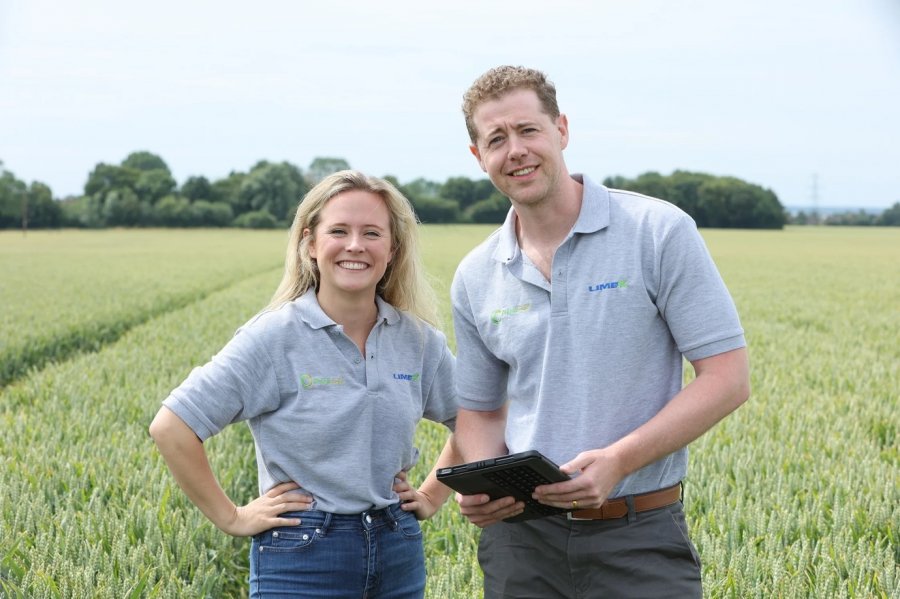
Q. How do I know if my soil needs liming?
Glenn: Over 50% of arable soils are below the target pH of 6.7 recommended in AHDB’s Nutrient Management Guide (RB209), according to the results from over 50,000 soil samples analysed by NRM between June 2022 and May 2023.
Nearly 25% of the samples were pH 5.8 or lower, which is extremely low for arable crops, and only about a fifth of all samples were in the acceptable target pH range of 6.5 to 7.0.
Those results tie in with industry studies suggesting arable land is only being limed on average once in 12 years – way below the recommendation of one in 3-5 years.
Soil sampling is the easiest way to understand whether a field needs liming. British Sugar can make this easy for you. If you’re in a beet growing area and have a British Sugar account, log onto the ‘My British Sugar” portal to input fields and the type of analysis you need. Your local British Sugar Agriculture Manager can help with this if you need support.
You don’t have to be a beet grower, though. We offer our soil sampling service to all farmers and landowners across East Anglia and the East Midlands – simply call 0800 090 2376 and our British Sugar Services team will assist you.
Once ordered, the soil sampling team will ring you to arrange an appropriate time to visit and take the samples. Results will be ready within 21 days, and a member of our FACTS-qualified Agriculture team will get in touch to take you through them.
If you’re based outside the beet-growing area, find a reputable soil testing service to carry out a pH test. One sample per acre is best practice, but sampling in a “W” pattern will give a good indication of any pH issues.
If you need advice on lime application rates, your local Agriculture Manager or one of the LimeX team will be available to provide guidance.
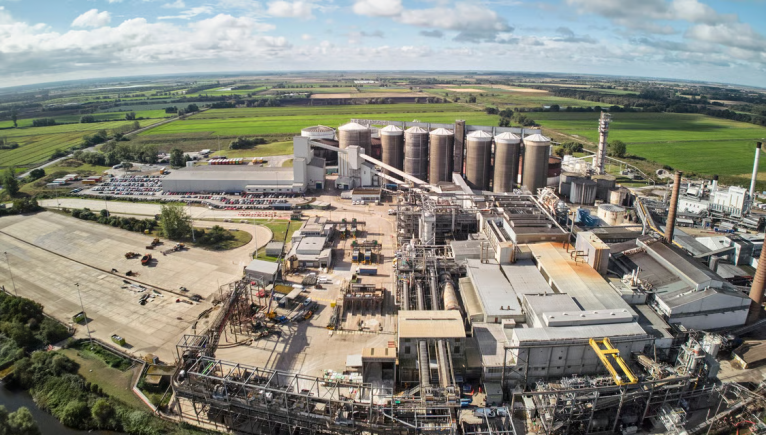
Q. How do I order LimeX?
Emily: We offer three packages:
Once a tonnage has been confirmed, we will ask you where you want it tipped. We need a specific location and/or postcode for this.
Several factors are important when considering tip sites.
First, are there any overhead power lines in the vicinity? Is this site suitable for an artic lorry, or would an eight-wheeler be more suitable? Ideally, we would recommend tipping onto a concrete pad – in winter or when it is wet, hauliers won’t do field tips.
Accessibility for the delivery vehicle is important – gateway widths and narrowness of roads and lanes need to be factored in.
Again, in the beet area, these are all things your British Sugar Agriculture Manager can help with to make the process as easy as possible for you.
Once sorted, the haulier will ring you to arrange delivery. Your British Sugar contact will check with the haulier when LimeX can be delivered, and will stay in touch to let you know when it has been tipped for you to arrange spreading or when both delivery and spreading has happened.
LimeX is a division of British Sugar PLC
Website by Tin Fish Creative

British Sugar plc
Registered in England
No. 315158 at Weston Centre
10 Grosvenor Street
London W1K 4QY